
Home / Materials Technology
Materials Technology
Isotech has been developing and manufacturing PU materials since 1985. The range covers our own MemoSorb breathable foam formulation and the group's footwear materials, with verifiable technical properties and specification data throughout.
MemoSorb Super Breathable Foam (MSBF)
MemoSorb Super Breathable Foam (MSBF) is a patented material developed in 2003, originally for medical wound dressings. A low-temperature process creates a three-dimensional open-cell structure: it absorbs 5–15 times its own weight in water, stays soft at −5°C, and has a density of roughly 65–130 kg/m³. It won the REHACARE Innovation Award in Düsseldorf that same year and has received Taiwan's SNQ National Quality Mark every year since.
A 2005 ITRI report recorded moisture absorption of 15.7% and moisture loss of −11.6%. These measure weight changes under controlled humidity, separately from liquid-water absorption. View the test conditions and full data summary.
Material properties & test records
How it differs from latex and ordinary memory foam
Latex and ordinary memory foam feel similar at first touch. The differences show up mainly in support and heat dissipation after extended use.
| Property | MemoSorb breathable foam | Latex | Ordinary memory foam |
|---|---|---|---|
| Resilience | Excellent | Excellent | Slow recovery |
| Moisture absorption/release | Moisture absorption 15.7%; moisture loss −11.6% (ITRI, 2005) | Poor | Very poor |
| Heat absorption/dissipation | Excellent | Average | Very poor |
| Feel | Fine texture, soft to the touch | Soft and springy | Coarse and stuffy |
| Temperature | Still soft at −5°C | Still soft at 5°C | Stiffens below 10°C |
| Material safety records | Metal-content, VOC, biocompatibility and cytotoxicity test records are available; see Certifications for values and conditions. | Contains vulcanising agents and antioxidants, which may cause skin allergies | Requires catalysts, which may cause skin allergies |
| Pressure relief | Excellent | Good | Average |
| Density | approx. 65–130 kg/m³ | approx. 70 kg/m³ | approx. 50 kg/m³ |
| Environmental | Low-temperature manufacture; discarded product breaks down in soil | Vulcanising agents added; moulded under high heat | Contains VOCs |
Comparison source: Isotech company presentation (December 2025), with MemoSorb moisture absorption/loss data added from the 2005 ITRI report. See Material tests for samples, conditions and dates.
MemoSorb Material Test Demonstration
Original video: MemoSorb Test Video 20170313. The demonstration and formal test reports are presented separately so viewers can compare material features with the documented test data.
Source: IST IST
Watch on YouTubeFootwear Material Range
Developed together with the MERAMEC group (USA), selected to suit abrasion resistance, light weight, rebound and sustainability requirements.
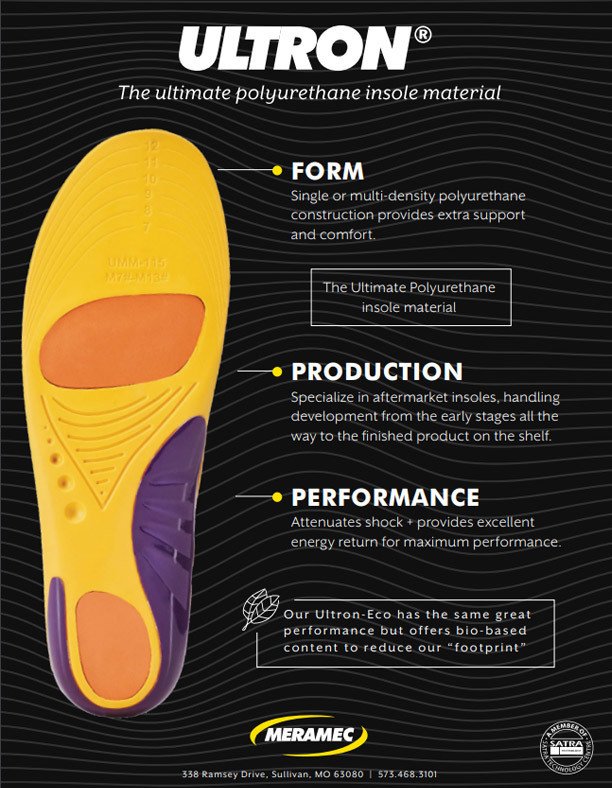
Ultron® Microcellular PU insole material; low compression set, breathable
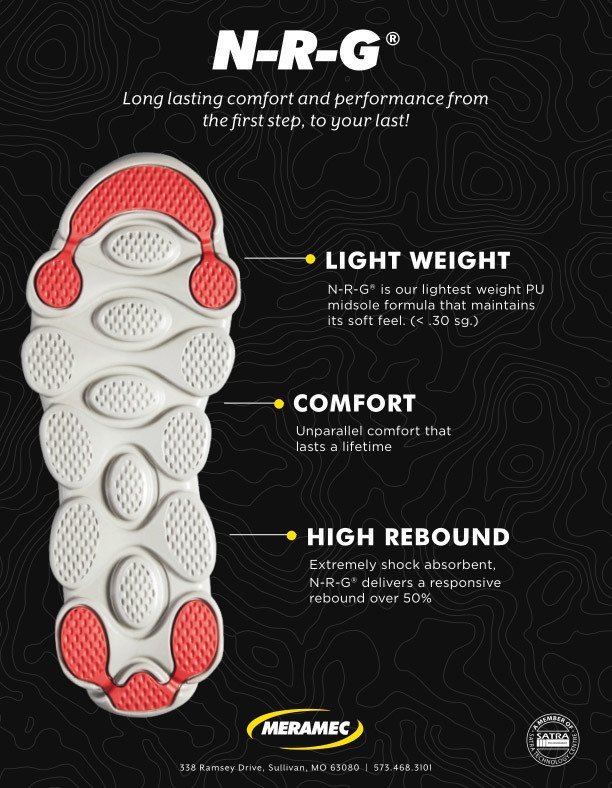
N-R-G® Lightweight, with over 50% rebound
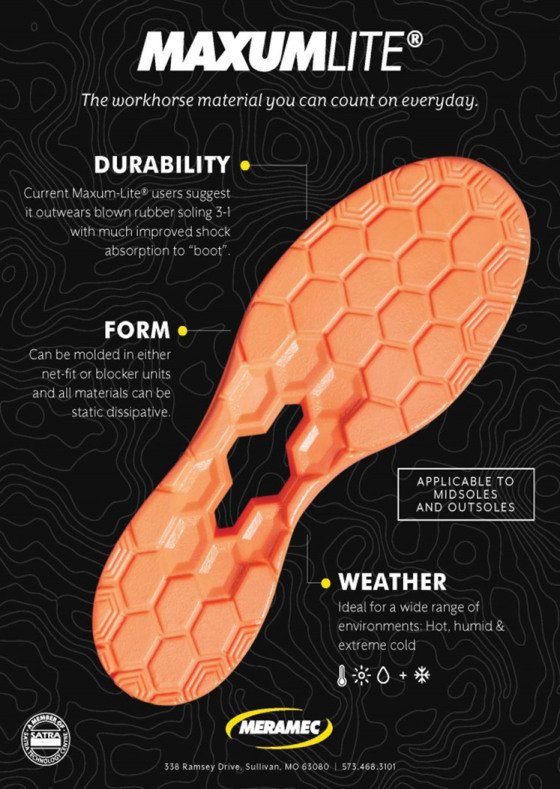
Maxum-Lite® Abrasion-resistant, shock-absorbing, oil-resistant
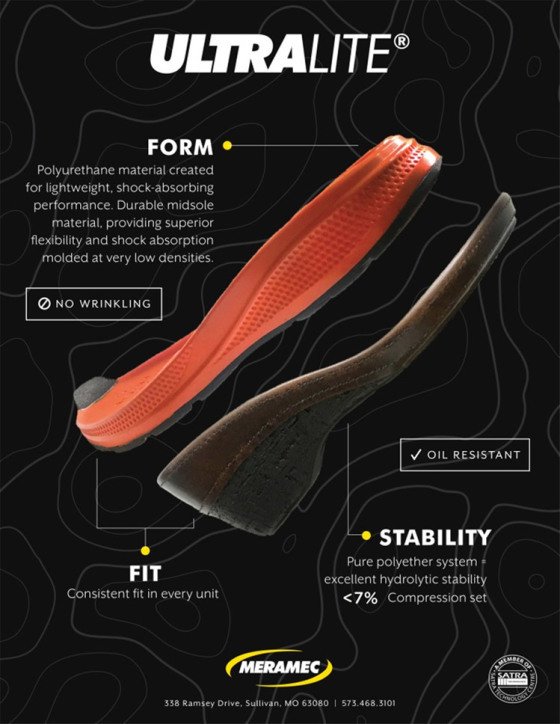
Ultra-Lite® Lightweight midsole; compression set below 7%

PŪR-Bio® Bio-oil from renewable carbon sources
Specification Table
Material specifications organised by application line. A detailed physical-properties sheet is available on request by email.
| Material | Model | Density | Properties | Application area |
|---|---|---|---|---|
| Ultron® | — | Multiple densities available | Microcellular and breathable, with low compression set | Performance insoles |
| Ultron ECO® | UT268MF ECO | TBC | 30% plant-based oils; 2–8 second recovery | Sustainable insoles |
| N-R-G® | — | TBC | Lightweight, rebound >50% | Midsoles, insoles |
| Maxum-Lite® | ML307HR/308/309/310 | TBC | Abrasion- and oil-resistant, multiple hardnesses | Outsoles, midsoles |
| MeraMAX® | MX945C | TBC | Abrasion-resistant, flexible, slip-resistant, hydrolysis-resistant | Heavy-industry soles |
| Ultra-Lite® | UL235 | 0.30–0.35 sg | Compression set <7%, lightweight | Midsoles, lightweight outsoles |
| PŪR-Bio® | — | TBC | Bio-oil from renewable carbon sources; USDA BioPreferred | Sustainable soles |
Fields marked "TBC" are awaiting official physical-property data from the client. For hardness, tensile strength and the rest of the full property sheet, we suggest a separate downloadable file.
In-house testing equipment
The Enping plant runs its own testing room. Thickness, tensile strength, abrasion, flex fatigue, low-temperature flexing and compression set — twelve tests are carried out on site, so a formulation can be verified while it is still being developed instead of waiting on an outside laboratory. Third-party test reports are collected on the quality certifications page.

Thickness Gauge
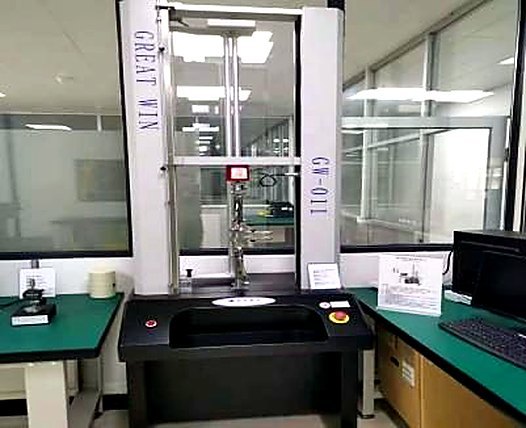
Tensile Testing

Vertical Elastic
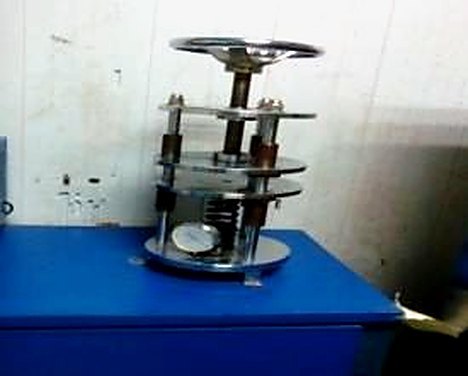
Compression Set
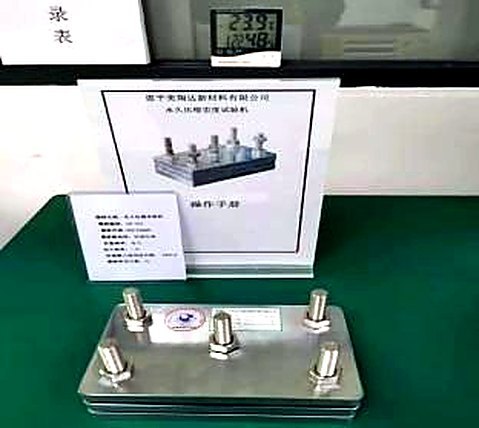
Compression Permanent Deformation
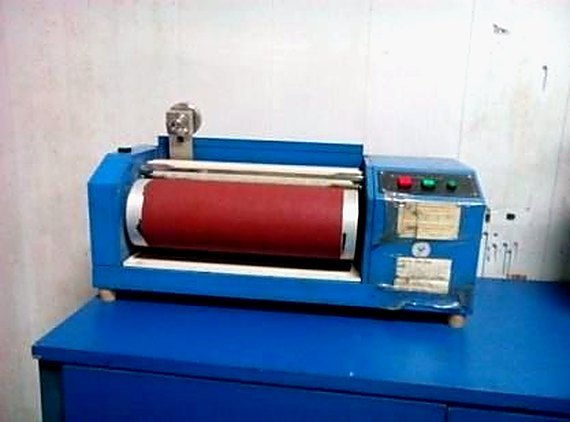
DIN Abrasion

Friction Testing
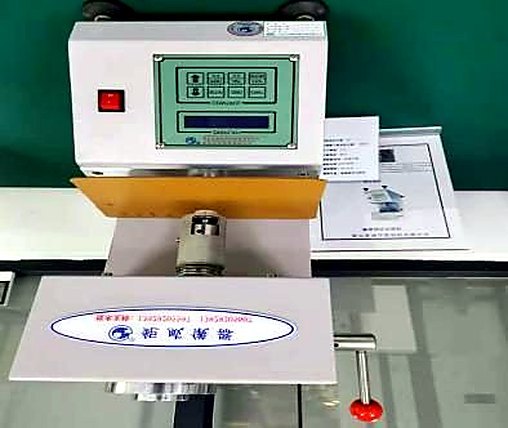
Friction Fading
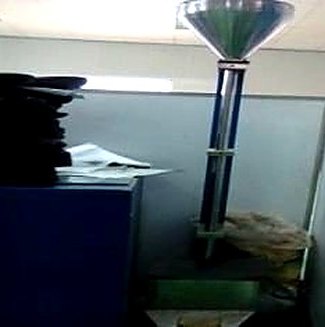
Ross Flexing
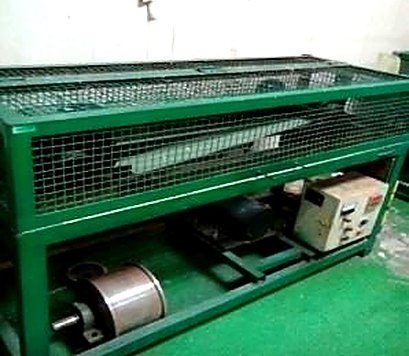
Bata Belt Flexing
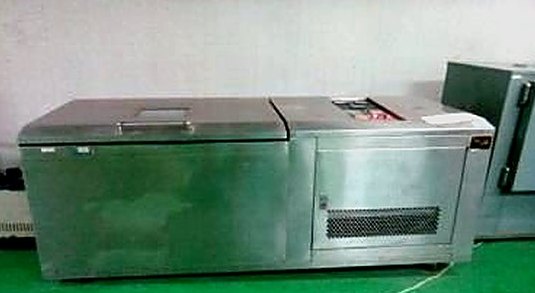
Low Temperature Flexing
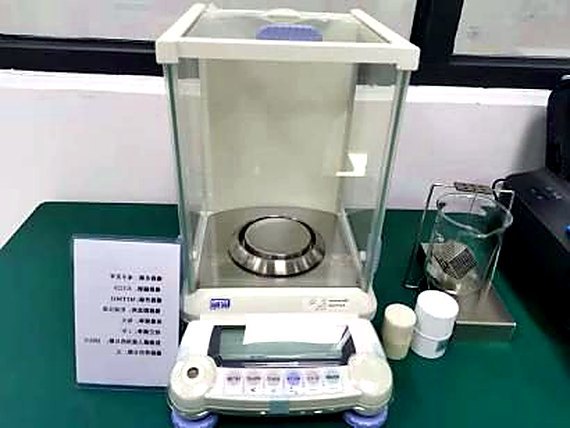
Electronic Scales
Equipment photographs from the Enping plant's company presentation, August 2025.